
From Silicon Valley Bats and Solo Living to AI Cognitive Cyborgs: dentsu Decodes Ten Growth Opportunities for the 2030s
Published on:
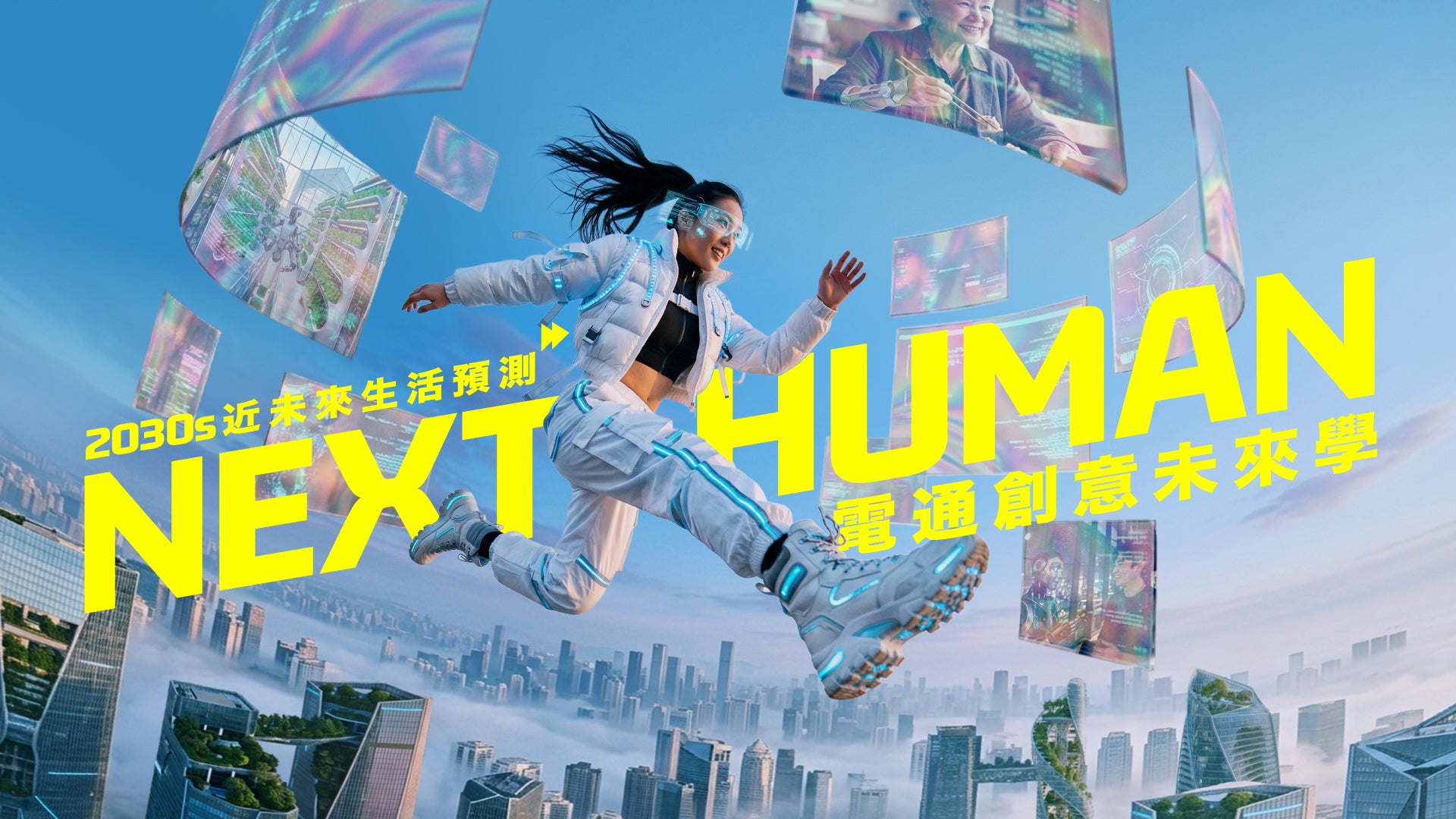
Silicon Valley bats, solo living and AI cognitive cyborgs may sound like science fiction, but they could become part of everyday consumer life in Taiwan within the next decade. dentsu Creative Taiwan today released Dentsu Creative Future Studies: Taiwan’s Near-Future Lifestyles in the 2030s, outlining ten near-future lifestyle scenarios that envision how life in Taiwan could change between 2030 and 2040—and identifying the growth opportunities these shifts could create for brands over the next decade.
Combining Real-World Data, Business Development Models and Creative Strategy to Build a Taiwan-Specific Opportunity Framework
The study brings together three of dentsu’s core capabilities to establish a research methodology that goes beyond conventional trend reports.
First, dentsu’s proprietary Consumer Connection System (CCS) database was used to track changes in Taiwanese consumers’ values, lifestyles and purchasing behaviours, capturing emerging needs already taking shape. These insights were then combined with dentsu Japan’s market-tested new-business development model to translate social, technological and industry shifts into business opportunities and explore the new roles brands could play in the future.
Finally, dentsu’s creative strategy team partnered with the Center for Futures Intelligence and Research at Tamkang University, a leading institution in futures education, to localise the research and jointly develop the Near-Future Business Opportunity Development Model specifically for the Taiwan market.
Gary Chi, CEO of dentsu Creative Taiwan, said: “The competitive advantage of the future will belong to those who understand earlier how people’s needs are changing. As older adults expand the boundaries of their daily lives, health becomes an asset managed every day, and AI gives individuals capabilities once available only to teams, brands must consider how to anticipate emerging needs and design the right products, services and experiences in response. Dentsu Creative Future Studies: Taiwan’s Near-Future Lifestyles in the 2030s aims to help brands identify new opportunities for growth amid uncertainty.”
As Traditional Frameworks Loosen, the Individual Becomes the New Baseline: Five Signals Shaping the Near Future
The report identifies ten near-future lifestyle scenarios spanning ageing, health, climate, urban resilience, carbon awareness, the loneliness economy, digital entertainment, sleep and work patterns, cybersecurity and AI-enabled entrepreneurship.
- AI Cognitive Cyborgs: Enterprise-Level Capabilities Become Available to Individuals
AI business managers could help individuals handle finance, marketing, legal affairs, procurement, branding and design. Business functions that once required an entire team could increasingly be performed by individuals working alongside AI.
The rise of one-person businesses and micro-entrepreneurship will reshape how brands serve entrepreneurs, creators and independent professionals. Future competitiveness will depend not only on access to resources, but also on an individual’s ability to integrate AI, identify needs and rapidly bring services to market. - The Sleepless Generation: Night-time Becomes a New Consumer Time Zone
Cross-time-zone work and sleep-related challenges are transforming the night from a period of rest into a new arena for services and consumption.
The “Silicon Valley bats”—professionals working across time zones—signal a need to reconfigure food, healthcare, transportation, entertainment and recovery services for late-night hours. Brands will need to consider 24-hour service design while responding to the physical demands and lifestyle rhythms of people with different schedules. - Solo Living: The Market Evolves from Everyday Convenience to Emotional Wellbeing
Living alone, later marriage and the growing number of older adults living independently are reshaping urban housing and consumption patterns.
Compact homes, single-person appliances, AI companionship, co-living communities and low-pressure social services reflect consumers’ desire to strike a new balance between freedom, companionship and security. Brands that continue to view single consumers merely as a market for smaller product formats risk overlooking the much larger opportunities emerging in emotional wellbeing services and residential design. - Zero Suboptimal Health: The Health Industry Shifts from Treatment Costs to Long-Term Support
Premium income from wellness-linked insurance policies reached NT$27.877 billion in 2025, representing a 46% increase year on year. This growth signals the accelerating integration of insurance, health data and everyday behaviours.
Health subscriptions, wearable devices, wellness rewards and preventive services will make health management part of consumers’ daily routines—from diet, sleep and exercise to stress management. Opportunities for brands will expand beyond one-off product sales to long-term behavioural support and data-driven feedback. - Ageless Living: The Mature Market Shifts from Care Expenditure to Lifestyle Investment
Taiwan’s AgeTech industry is projected to reach NT$300 billion, as the needs of mature consumers extend beyond healthcare into travel, exercise, financial services, health management, social participation and mobile entertainment.
Older adults require more than risk management. They are also becoming active consumers willing to invest in independent mobility, social connection and quality of life. Brands must evolve their approach to the mature market—from simply providing care to helping people continue living life on their own terms.
The Future Is Designed Before It Arrives
These five signals represent only half of the ten scenarios explored in the full report. The complete study covers:
- Ageless Living
- Zero Suboptimal Health
- Perpetual Summer Living
- The Resilient Community Premium
- The Carbon-Conscious New Middle Class
- Solo Living
- Digital Dopamine
- The Sleepless Generation
- Digital Immunity
- AI Cognitive Cyborgs
As age, time and identity become less fixed as frameworks for everyday life, new opportunities for brand growth will emerge wherever increasingly individualised needs take shape.
The value of near-future research lies in helping brands move beyond tracking trends towards actively positioning themselves for new opportunities. Demographic structures, technological tools and cultural attitudes are changing simultaneously. Brands need to understand which social shifts are creating new needs, which technologies are reshaping behaviour, and which lifestyle expectations are giving rise to the next wave of market opportunities.
dentsu aims to help brands build the capabilities, products, services, content and relationships they will need to create sustained value in the markets of the future.
About Dentsu Creative Future Studies: Taiwan’s Near-Future Lifestyles in the 2030s
Published by dentsu Creative Taiwan, the report combines futures studies with the market intelligence and proprietary data resources of dentsu Taiwan. It was developed in partnership with the Center for Futures Intelligence and Research at Tamkang University.
Using 2025 as its starting point, the study explores how life in Taiwan could evolve between 2030 and 2040. It presents ten near-future lifestyle scenarios designed to help brands identify emerging business opportunities and develop innovative solutions grounded in the realities of everyday life.
The report is now available for download. Please visit the official link to request a copy.